
The History Of The Edison Pearl
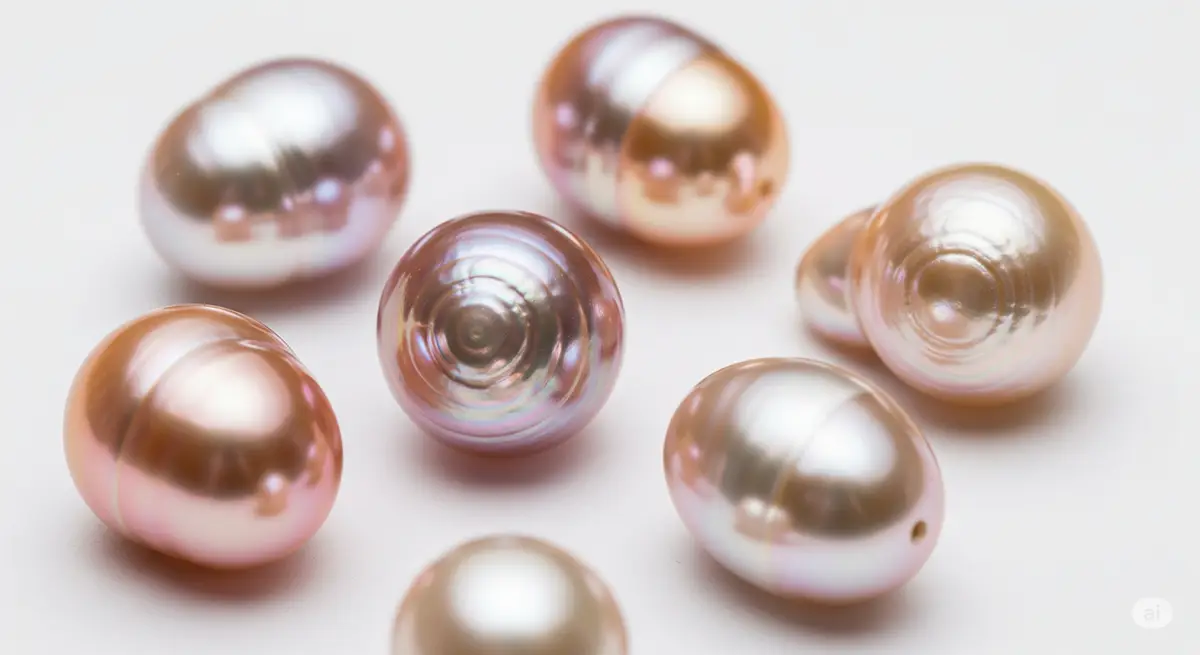
The Edison pearl is a groundbreaking innovation in the cultured pearl industry, a result of decades of research and a fusion of traditional pearl cultivation techniques. It is named not because Thomas Edison invented it, but in homage to the great inventor who once remarked that there were two things he couldn't create in his laboratory: diamonds and pearls. The name symbolizes the pearls' technological breakthrough.
- Origin and Development
The history of the Edison pearl is rooted in the Zhejiang Province of China, the heart of the world's freshwater pearl industry. The pearls were first introduced to the market around 2010 by a group of Chinese pearl cultivators known as Grace Pearls. This group, led by the brother and sister team of Weijian Zhan and Weiyu Zhan, collaborated with Zhejiang University to develop the unique cultivation process.
After over 20 years of dedicated research and a significant investment in technology, the Zhan family perfected a new method that combined the best of saltwater and freshwater pearl farming techniques. Their goal was to create a freshwater pearl with the size, luster, and near-perfect round shape of a high-quality saltwater pearl (like a South Sea or Tahitian pearl), but at a more accessible price point.
- The Unique Cultivation Process
The key to the Edison pearl's success lies in its revolutionary cultivation method. Traditional freshwater pearls are "tissue-nucleated," meaning a small piece of mantle tissue is inserted into a mussel, which then produces multiple small, often irregularly shaped pearls. In contrast, saltwater pearls are "bead-nucleated," where a round bead is inserted into the mollusk, typically resulting in one large, round pearl.
The Edison pearl process is a hybrid of these two methods, with a crucial and proprietary difference:
Bead Nucleation: Like saltwater pearls, Edison pearls are bead-nucleated. A single, large, round bead is surgically implanted into a freshwater mussel. This is a significant departure from the multi-pearl, tissue-nucleation method of traditional freshwater pearl farming.
Specialized Mussels: The cultivators use a specifically selected mussel species, often a hybrid of Hyriopsis cumingii and Hyriopsis schlegeli, which is genetically researched to be more robust and capable of producing a single, large pearl.
One Pearl per Mussel: The single-bead nucleation process means that each mussel produces only one pearl. This is a key factor in why Edison pearls can grow to such an impressive size, as the mussel's energy is focused on building nacre around a single nucleus.
Extended Growth Period: Edison pearls are left to cultivate for an extended period, often 2 to 3 years or even longer. This allows for the buildup of a thick, durable layer of nacre, which is responsible for their exceptional luster and vibrant colors.
Proprietary Techniques: The Zhan family's company, Grace Pearls, holds patents on their specific techniques. This includes a "secret ingredient" or a "bead core activating liquid" that is applied to the nucleus bead before implantation. This treatment is said to reduce the rate of bead rejection by the mussel and promote the healthy growth of the pearl sac, leading to a higher yield of top-quality pearls.
- Key Characteristics and Impact
The result of this innovative process is a pearl with a unique set of characteristics that have made it a major player in the global pearl market:
Large Size: Edison pearls are notably large, typically ranging from 9mm to 16mm or more. This size range was previously rare for freshwater pearls and is comparable to South Sea pearls.
High Luster: They are known for their incredibly high, often metallic, luster. This is a direct result of the thick, layered nacre.
Vibrant Colors: Edison pearls come in a stunning array of natural colors, including white, pink, peach, bronze, gold, and deep plum and aubergine purples, which were once considered impossible to find in natural freshwater pearls.
Affordability: Despite their high-quality characteristics, the efficiency of freshwater farming techniques makes Edison pearls significantly more affordable than their saltwater counterparts of similar size and quality.
The introduction of the Edison pearl has revolutionized the pearl industry by making large, lustrous, and colorful pearls accessible to a wider market. It has blurred the lines between freshwater and saltwater pearls and stands as a testament to the power of human ingenuity in partnership with nature.