

Blog
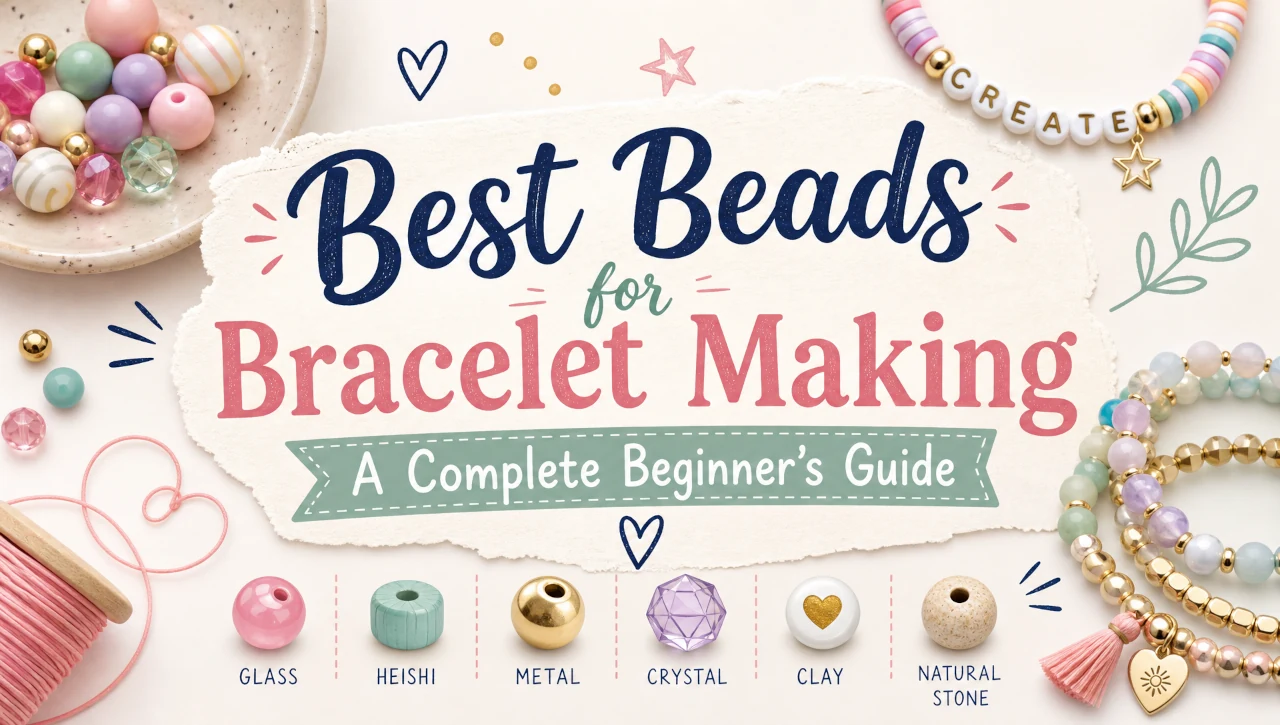
Best Beads To Use For DIY Bracelet Making
Why Beads Matter in Bracelet Making
Bracelet making is one of the easiest and most enjoyable ways to start creating your own DIY jewelry. You do not need a professional studio, expensive equipment, or years of experience to make beautiful bracelets. With a few basic tools, the right stringing material, and a good selection of beads, beginners can create stylish, meaningful, and wearable jewelry at home.
However, if you are new to bracelet making, walking into a craft store or browsing beads online can feel overwhelming. There are glass beads, gemstone beads, seed beads, wooden beads, acrylic beads, metal beads, clay beads, crystal beads, letter beads, spacer beads, and many more. They come in different shapes, sizes, colors, hole diameters, finishes, and price ranges.
So, which beads are best for beginners?
The best beads for bracelet making depend on the style of bracelet you want to create, your skill level, your budget, and the type of cord or wire you plan to use. Some beads are ideal for stretchy bracelets, while others work better for wire bracelets, friendship bracelets, charm bracelets, or detailed bead weaving projects.
This complete beginner’s guide will walk you through everything you need to know about choosing beads for bracelet making. You will learn about popular bead materials, bead sizes, shapes, finishes, stringing options, beginner-friendly tools, and practical tips for making DIY jewelry that looks polished and lasts longer.
Whether you want to make bracelets for yourself, gifts, craft fairs, or a small handmade jewelry business, this guide will help you choose the right beads with confidence.
What Are the Best Beads for Bracelet Making?
The best beads for bracelet making are beads that match your design, fit your stringing material, feel comfortable on the wrist, and are durable enough for regular wear. For beginners, the easiest beads to work with are usually medium-sized beads with smooth holes and consistent shapes.
Some of the best beads for beginners include:
- Glass beads
- Gemstone beads
- Acrylic beads
- Wooden beads
- Clay beads
- Seed beads
- Crystal beads
- Metal spacer beads
- Letter beads
- Ceramic beads
- Pearl beads
- Pony beads
Each type of bead has its own look, feel, and purpose. For example, gemstone beads create elegant and natural bracelets, while acrylic beads are lightweight and affordable. Seed beads are perfect for detailed patterns, while pony beads are great for kids, beginners, and casual craft projects.
If you are just starting with DIY jewelry, it is helpful to experiment with several types of beads before investing heavily in one style.
Why Bracelet Making Is a Great DIY Jewelry Project for Beginners
Bracelet making is one of the most beginner-friendly DIY jewelry crafts because bracelets are small, practical, and easy to customize. Unlike necklaces, which often require more length planning, clasps, and balance, bracelets can be made quickly with fewer supplies.
Here are a few reasons bracelet making is a great place to start:
- Bracelets require fewer beads than necklaces.
- Many bracelet styles do not need advanced tools.
- Stretch bracelets are simple and beginner-friendly.
- You can make bracelets in many styles, from casual to elegant.
- Beads are available in every color, size, and material.
- Handmade bracelets make thoughtful gifts.
- DIY jewelry projects can be completed in one sitting.
For beginners, a basic stretch bracelet is often the best first project. You only need beads, elastic cord, scissors, and strong jewelry glue. Once you are comfortable with simple bracelet making, you can move on to wire bracelets, memory wire bracelets, charm bracelets, bead weaving, and adjustable cord bracelets.
Understanding Bead Materials
One of the most important parts of choosing beads for bracelet making is understanding bead materials. The material affects the appearance, weight, durability, price, and comfort of your bracelet.
Below are the most common bead materials used in DIY jewelry.
1. Glass Beads
Glass beads are among the most popular beads for bracelet making. They are available in countless colors, shapes, textures, and finishes. Glass beads can look simple, elegant, colorful, modern, vintage, or artistic depending on the design.
Why Glass Beads Are Great for Beginners
Glass beads are easy to find, affordable, and versatile. They work well for stretch bracelets, wire bracelets, beaded bracelets, charm bracelets, and more. Many glass beads have smooth holes, making them easier to string.
Popular Types of Glass Beads
Common types of glass beads include:
- Round glass beads
- Pressed glass beads
- Fire-polished beads
- Lampwork beads
- Czech glass beads
- Millefiori beads
- Frosted glass beads
- Crackle glass beads
Best Uses for Glass Beads
Glass beads are excellent for everyday bracelets, colorful DIY jewelry, elegant stacked bracelets, and gift projects. They are also a good choice if you want a polished look without spending too much money.
Things to Consider
Glass beads can break if dropped or hit against a hard surface. They may also be heavier than acrylic or wooden beads, especially in larger sizes. For comfortable bracelet making, choose smaller or medium glass beads, such as 6mm, 8mm, or 10mm.
2. Gemstone Beads
Gemstone beads are natural stone beads used in many types of handmade jewelry. They are popular because they have beautiful colors, patterns, and natural variations. Many people also choose gemstone beads for symbolic or spiritual meanings.
Popular Gemstone Beads for Bracelet Making
Some popular gemstone beads include:
- Amethyst
- Rose quartz
- Tiger’s eye
- Black onyx
- Jasper
- Agate
- Aventurine
- Lapis lazuli
- Turquoise
- Howlite
- Hematitis
- Moonstone
- Labradorite
- Amazonite
Why Gemstone Beads Are Popular
Gemstone beads create bracelets that look more expensive and sophisticated. They are especially popular for stretch bracelets, meditation bracelets, boho jewelry, minimalist bracelets, and stacked bracelet sets.
Best Gemstone Bead Sizes for Beginners
For bracelet making, 6mm and 8mm gemstone beads are the most beginner-friendly. They are large enough to handle easily but not too bulky on the wrist.
- 4mm beads: delicate, good for dainty bracelets
- 6mm beads: balanced and beginner-friendly
- 8mm beads: classic size for stretch bracelets
- 10mm beads: bold and chunky
- 12mm beads or larger: statement bracelets
Things to Consider
Gemstone beads are usually heavier than acrylic, wood, or clay beads. Natural stones may also vary in color and shape, which is part of their charm. Some gemstone beads are dyed or treated, so read product descriptions carefully when buying beads online.
3. Acrylic Beads
Acrylic beads are lightweight plastic beads that come in many colors, shapes, and finishes. They are often inexpensive, making them a great option for beginners, kids, classrooms, parties, and budget-friendly DIY jewelry projects.
Why Acrylic Beads Are Beginner-Friendly
Acrylic beads are easy to handle, lightweight, and affordable. They are less likely to break than glass beads, and they are available in fun designs such as hearts, stars, flowers, butterflies, letters, and novelty shapes.
Best Uses for Acrylic Beads
Acrylic beads are ideal for:
- Kids’ bracelet making
- Colorful friendship bracelets
- Trendy DIY jewelry
- Kandi bracelets
- Party crafts
- Lightweight statement bracelets
- Beginner practice projects
Things to Consider
Acrylic beads may not look as high-end as glass or gemstone beads. Some acrylic beads can scratch or lose their finish over time. Still, they are one of the best bead options for beginners who want to practice bracelet making without spending much money.
4. Wooden Beads
Wooden beads are lightweight, natural-looking beads that work beautifully in earthy, rustic, minimalist, and boho bracelet designs. They are often used in men’s bracelets, yoga bracelets, beach-inspired jewelry, and nature-themed DIY jewelry.
Why Wooden Beads Are Good for Bracelet Making
Wooden beads are comfortable to wear because they are lightweight. They also pair well with other natural materials such as leather cord, hemp cord, cotton cord, lava stone, shell beads, and ceramic beads.
Popular Wooden Bead Styles
Wooden beads are available in many styles, including:
- Natural unfinished wood
- Painted wood
- Stained wood
- Carved wood
- Round wood beads
- Flat disc wood beads
- Tube-shaped wood beads
Best Uses for Wooden Beads
Wooden beads work well for casual bracelets, bohemian designs, men’s jewelry, adjustable cord bracelets, and natural DIY jewelry styles.
Things to Consider
Wooden beads can absorb moisture, oils, and perfumes. They may not be the best choice for bracelets that will be worn in water. If you want a long-lasting wooden bead bracelet, avoid showering or swimming with it.
5. Clay Beads
Clay beads have become very popular in modern bracelet making, especially flat polymer clay beads. These beads are colorful, lightweight, and often used in trendy stretch bracelets.
Types of Clay Beads
Popular clay bead types include:
- Polymer clay heishi beads
- Handmade ceramic clay beads
- Painted clay beads
- Decorative clay focal beads
Why Clay Beads Are Popular
Flat polymer clay beads are lightweight and comfortable. They come in many colors, making them perfect for color-block bracelets, name bracelets, beach bracelets, and stacked bracelet sets.
Best Uses for Clay Beads
Clay beads are great for:
- Trendy stretch bracelets
- Summer bracelets
- Personalized name bracelets
- Colorful stacked bracelets
- Lightweight DIY jewelry
- Friendship bracelets
Things to Consider
Some polymer clay beads can be fragile or bend if they are very thin. Lower-quality clay beads may have uneven holes or rough edges. When buying clay beads, look for consistent sizing and smooth finishes.
6. Seed Beads
Seed beads are tiny beads used for detailed beadwork, patterns, weaving, embroidery, and delicate bracelet making. They are available in many sizes and colors.
Common Seed Bead Sizes
Seed bead sizes can be confusing because the larger the number, the smaller the bead. Common sizes include:
- 6/0 seed beads: larger and easier for beginners
- 8/0 seed beads: medium size
- 11/0 seed beads: very common for bead weaving
- 15/0 seed beads: tiny, used for detailed work
Why Seed Beads Are Useful
Seed beads are perfect for detailed DIY jewelry designs. They can be used to make woven bracelets, loom bracelets, daisy chain bracelets, fringe bracelets, and delicate patterns.
Best Seed Beads for Beginners
If you are new to bracelet making, start with size 6/0 or 8/0 seed beads. They are easier to see, easier to pick up, and easier to string than tiny 11/0 or 15/0 beads.
Things to Consider
Seed beads require patience and good lighting. Some projects also require special needles and thread. If you want fast beginner projects, seed beads may feel more challenging than larger beads. However, they are excellent if you enjoy detailed, pattern-based DIY jewelry.
7. Crystal Beads
Crystal beads add sparkle and elegance to bracelet making. They are often used in bridal jewelry, evening jewelry, holiday bracelets, and glamorous DIY jewelry designs.
Popular Crystal Bead Styles
Crystal beads come in many shapes, including:
- Bicons
- Washers
- Faceted rounds
- Teardrops
- Cubes
- Briolettes
Why Crystal Beads Are Popular
Crystal beads reflect light beautifully. They can make a simple bracelet look more polished and expensive. Even a few crystal beads used as accents can add shine to a design.
Best Uses for Crystal Beads
Crystal beads are great for:
- Dressy bracelets
- Bridal jewelry
- Holiday DIY jewelry
- Accent beads
- Elegant stretch bracelets
- Wire bracelets
Things to Consider
Crystal beads can have sharp edges around the hole, especially faceted beads. This can wear down elastic cord over time. If you use crystal beads for stretch bracelet making, choose strong elastic and avoid designs where sharp crystal edges rub heavily against the cord.
8. Metal Beads and Spacer Beads
Metal beads are often used as accents in bracelet making. They add contrast, shine, and structure to a design. Spacer beads are small metal beads placed between larger beads to create balance and visual interest.
Popular Metal Beads
Common metal beads include:
- Round spacer beads
- Daisy spacers
- Tube beads
- Crimp beads
- Charms
- Letter beads
- Filigree beads
- Bali-style beads
- Stainless steel beads
- Gold-plated beads
- Silver-plated beads
Why Metal Beads Are Useful
Metal beads can make a bracelet look more finished. They help separate colors, highlight focal beads, and add texture. A simple gemstone bracelet can look much more professional with a few metal spacer beads.
Things to Consider
Some metal beads may tarnish, fade, or cause skin reactions depending on the metal. For higher-quality DIY jewelry, consider stainless steel, sterling silver, gold-filled, or hypoallergenic metal beads.
If you are making bracelets to sell, clearly label the type of metal used.
9. Pearl Beads
Pearl beads are classic and elegant. They can be natural, cultured, freshwater, glass, or imitation pearls. Pearl beads are commonly used in wedding jewelry, feminine bracelet designs, and timeless DIY jewelry pieces.
Types of Pearl Beads
Common pearl bead types include:
- Freshwater pearls
- Glass pearl beads
- Shell pearls
- Acrylic pearl beads
- Potato pearls
- Rice pearls
- Round pearls
- Baroque pearls
Why Pearl Beads Are Popular
Pearl beads create soft, elegant bracelets. They pair beautifully with gold, silver, crystal, glass, and gemstone beads.
Best Uses for Pearl Beads
Pearl beads are ideal for:
- Bridal bracelets
- Minimalist jewelry
- Classic stretch bracelets
- Charm bracelets
- Gift jewelry
- Elegant DIY jewelry
Things to Consider
Real pearls are more delicate than many other beads. They can be scratched by metal or damaged by chemicals. Avoid wearing pearl bracelets in water or exposing them to perfume, lotion, and cleaning products.
10. Ceramic Beads
Ceramic beads are made from fired clay and often have glazed finishes. They can look rustic, artistic, colorful, or handmade.
Why Ceramic Beads Are Great for DIY Jewelry
Ceramic beads add character and texture to bracelet making. They are often used in boho bracelets, artisan jewelry, earthy designs, and statement pieces.
Best Uses for Ceramic Beads
Ceramic beads work well for:
- Bohemian bracelets
- Handmade artisan jewelry
- Rustic bracelet designs
- Accent beads
- Adjustable cord bracelets
- Natural-style DIY jewelry
Things to Consider
Ceramic beads can chip or break if dropped. They may also be heavier than acrylic or wood. Use them thoughtfully, especially in bracelets that will be worn every day.
11. Letter Beads
Letter beads are used to create personalized bracelets with names, initials, words, dates, or short phrases. They are popular for friendship bracelets, kids’ jewelry, event bracelets, and trendy DIY jewelry.
Types of Letter Beads
Letter beads come in many styles, including:
- White cube letter beads
- Round alphabet beads
- Acrylic letter beads
- Metal letter beads
- Clay letter beads
- Gold letter beads
- Colorful alphabet beads
Best Uses for Letter Beads
Letter beads are great for:
- Name bracelets
- Friendship bracelets
- Team bracelets
- Party favors
- Personalized gifts
- Inspirational word bracelets
Beginner Tip
Before stringing your bracelet, lay out the letters in order. Double-check spelling before tying knots or finishing the bracelet. This simple step saves time and frustration.
12. Pony Beads
Pony beads are large plastic beads with wide holes. They are affordable, colorful, and easy to string, making them one of the best beads for beginner bracelet making.
Why Pony Beads Are Great for Beginners
Pony beads are easy to hold and work with. Their large holes fit elastic cord, yarn, lacing cord, and other beginner-friendly stringing materials.
Best Uses for Pony Beads
Pony beads are ideal for:
- Kids’ bracelets
- Camp crafts
- Kandi bracelets
- Colorful DIY jewelry
- Beginner practice
- Group craft projects
Things to Consider
Pony beads create casual bracelets. They may not be the best choice for elegant or professional-looking jewelry, but they are excellent for learning basic bracelet making skills.
Choosing the Right Bead Size for Bracelet Making
Bead size is one of the most important details in bracelet making. The size of your beads affects the look, comfort, flexibility, and length of your bracelet.
Most round beads are measured in millimeters. Common bracelet bead sizes include 4mm, 6mm, 8mm, 10mm, and 12mm.
4mm Beads
4mm beads are small and delicate. They are good for minimalist bracelets, children’s bracelets, spacer rows, and layered jewelry. However, they can be harder for beginners to handle.
6mm Beads
6mm beads are one of the best sizes for beginners. They are small enough to look refined but large enough to string easily. They work well for gemstone bracelets, glass bracelets, and simple stretch bracelets.
8mm Beads
8mm beads are a classic size for bracelet making. They are easy to handle and create a balanced look on most wrists. If you are unsure where to start, 8mm beads are a safe beginner choice.
10mm Beads
10mm beads create a bolder bracelet. They work well for statement pieces, men’s bracelets, and gemstone bracelets. However, they can feel chunky on smaller wrists.
12mm Beads and Larger
Large beads are best for statement bracelets. They can be beautiful, but they may feel heavy or bulky. Beginners may want to use large beads as focal beads rather than throughout the entire bracelet.
Understanding Bead Hole Size
Bead hole size is just as important as bead size. The hole must be large enough for your stringing material to pass through.
For example, if you are using thick elastic cord, leather cord, or hemp cord, you need beads with larger holes. If you are using thin beading wire or thread, smaller holes may work fine.
Common Stringing Materials and Bead Hole Needs
- Elastic cord: medium to large bead holes
- Beading wire: small to medium bead holes
- Memory wire: medium bead holes
- Leather cord: large bead holes
- Hemp cord: large bead holes
- Nylon cord: medium to large bead holes
- Beading thread: small bead holes
Always check the product description when buying beads online. Look for both bead size and hole size.
Best Beads for Stretch Bracelets
Stretch bracelets are one of the easiest bracelet making projects for beginners. They do not require clasps, crimp beads, or advanced wire skills.
The best beads for stretch bracelets include:
- Gemstone beads
- Glass beads
- Clay beads
- Acrylic beads
- Wooden beads
- Letter beads
- Pony beads
- Pearl beads
- Metal spacer beads
For stretch bracelets, round beads in 6mm or 8mm are especially beginner-friendly. They sit comfortably on the wrist and are easy to string.
Stretch Bracelet Tip
Use high-quality elastic cord and pre-stretch it before stringing your beads. This helps prevent the bracelet from becoming loose after wearing.
Best Beads for Wire Bracelets
Wire bracelets are slightly more advanced than stretch bracelets, but they create a more polished and durable finish. Beading wire is often used with clasps and crimp beads.
The best beads for wire bracelet making include:
- Glass beads
- Crystal beads
- Gemstone beads
- Pearl beads
- Metal beads
- Seed beads
- Ceramic beads
Wire bracelets are a good choice when you want a professional-looking bracelet with a clasp. They are also useful for heavier beads because beading wire is stronger than elastic.
Best Beads for Adjustable Cord Bracelets
Adjustable cord bracelets are popular for casual, boho, surfer, spiritual, and men’s jewelry designs. These bracelets often use sliding knots instead of clasps.
The best beads for adjustable cord bracelets include:
- Wooden beads
- Gemstone beads
- Ceramic beads
- Metal beads
- Large-hole beads
- Lava stone beads
- Bone-style beads
- Shell beads
For adjustable cord bracelets, make sure your beads have holes large enough for the cord. Leather, cotton, hemp, and nylon cords are thicker than beading wire.
Best Beads for Friendship Bracelets
Friendship bracelets can be made with thread, cord, seed beads, letter beads, clay beads, or pony beads. They are usually colorful, personal, and casual.
The best beads for friendship bracelets include:
- Letter beads
- Seed beads
- Pony beads
- Clay beads
- Acrylic beads
- Small glass beads
- Heart beads
- Star beads
Friendship bracelets are a great DIY jewelry project because they are simple, meaningful, and easy to personalize.
Best Beads for Elegant DIY Jewelry
If your goal is to make elegant bracelets that look polished and gift-worthy, choose beads with refined finishes and consistent shapes.
Good choices include:
- Gemstone beads
- Freshwater pearls
- Crystal beads
- Czech glass beads
- Metal spacer beads
- Glass pearls
- Gold-filled beads
- Sterling silver beads
A simple color palette usually works best for elegant bracelet making. Try combining pearl beads with gold spacers, black onyx with silver spacers, or clear crystal beads with soft neutral tones.
Best Beads for Kids’ Bracelet Making
For children and group craft projects, choose beads that are large, lightweight, affordable, and easy to string.
The best beads for kids include:
- Pony beads
- Acrylic beads
- Large wooden beads
- Letter beads
- Foam beads
- Large clay beads
Avoid tiny beads for young children, and always consider age-appropriate safety. Small beads can be choking hazards, so adult supervision is important.
Best Bead Shapes for Beginners
Beads come in many shapes, and each shape affects the style of the bracelet. For beginners, simple shapes are easiest to work with.
Round Beads
Round beads are the most common and beginner-friendly. They are easy to string, comfortable to wear, and work with almost every bracelet style.
Rondelle Beads
Rondelle beads are slightly flattened round beads. They are often used as accent beads or spacers. Crystal rondelles are especially popular in elegant DIY jewelry.
Cube Beads
Cube beads create a modern look. Letter beads are often cube-shaped. They work well in name bracelets and playful designs.
Heishi Beads
Heishi beads are flat disc-shaped beads. Polymer clay heishi beads are very popular for colorful stretch bracelets.
Tube Beads
Tube beads are long and narrow. They can create clean lines and modern designs. Metal tube beads are often used in minimalist bracelets.
Chip Beads
Gemstone chip beads are irregular pieces of stone. They create natural, textured bracelets and are often more affordable than round gemstone beads.
Focal Beads
Focal beads are larger or more decorative beads used as the centerpiece of a bracelet. Beginners can use one focal bead with simpler beads on each side.
Choosing Bead Colors for Bracelet Making
Color is one of the most enjoyable parts of DIY jewelry design. The right bead colors can make your bracelet look balanced, stylish, and intentional.
Simple Color Ideas for Beginners
Try these beginner-friendly color combinations:
- Black, white, and silver
- Cream, gold, and pearl
- Rose quartz pink and white
- Turquoise and brown
- Navy, white, and gold
- Clear crystal and silver
- Earth tones with wood beads
- Pastel clay beads with letter beads
- Rainbow pony beads
- Green aventurine with gold spacers
Beginner Color Tip
If you are unsure how to combine beads, start with three colors:
- One main color
- One accent color
- One neutral color
This keeps your bracelet design balanced without making it too busy.
How Many Beads Do You Need for a Bracelet?
The number of beads you need depends on bead size, wrist size, and bracelet style.
A standard adult bracelet is usually around 7 inches. A larger bracelet may be 7.5 to 8 inches, while a smaller bracelet may be 6 to 6.5 inches.
Approximate number of round beads for a 7-inch bracelet:
- 4mm beads: about 44 beads
- 6mm beads: about 30 beads
- 8mm beads: about 22 beads
- 10mm beads: about 18 beads
- 12mm beads: about 15 beads
These numbers are estimates. Spacer beads, focal beads, and bead shape can change the final count.
How to Measure Bracelet Size
To make a comfortable bracelet, measure the wrist before stringing your beads.
Simple Measuring Method
Wrap a flexible measuring tape around the wrist where the bracelet will sit. Add extra length depending on the desired fit.
- Snug fit: add 1/4 inch
- Comfortable fit: add 1/2 inch
- Loose fit: add 3/4 to 1 inch
For stretch bracelets, make sure the bracelet is not too tight. A bracelet that stretches too much while worn may wear out faster.
Essential Supplies for Bracelet Making
In addition to beads, beginners need a few basic supplies for bracelet making.
Basic Supplies
- Beads
- Elastic cord, beading wire, or jewelry cord
- Scissors or wire cutters
- Jewelry glue
- Crimp beads
- Clasps
- Jump rings
- Bead stoppers
- Measuring tape
- Bead board or tray
- Jewelry pliers
You do not need every tool for your first project. For a basic stretch bracelet, you only need beads, elastic cord, scissors, and glue.
Best Stringing Materials for Beaded Bracelets
The stringing material you choose affects how your bracelet looks, feels, and wears over time.
Elastic Cord
Elastic cord is best for stretch bracelets. It is easy to use and does not require a clasp. Choose a cord thickness that fits your bead holes.
Beading Wire
Beading wire is strong and flexible. It is used with clasps and crimp beads. This is a good choice for heavier beads or more professional DIY jewelry.
Memory Wire
Memory wire is a stiff coil wire that keeps its bracelet shape. It is great for wrap bracelets and does not require complicated measuring.
Leather Cord
Leather cord creates casual, rustic, and masculine bracelet styles. It works best with large-hole beads.
Nylon Cord
Nylon cord is strong and works well for adjustable bracelets, macrame bracelets, and sliding knot designs.
Beading Thread
Beading thread is used for seed beads, bead weaving, and detailed patterns. It is best for more advanced bracelet making.
Beginner Bracelet Making Project: Simple Stretch Bracelet
A stretch bracelet is the perfect first DIY jewelry project.
Supplies Needed
- 6mm or 8mm beads
- Elastic cord
- Scissors
- Jewelry glue
- Bead stopper or tape
- Measuring tape
Steps
- Measure your wrist and decide your bracelet length.
- Cut a piece of elastic cord several inches longer than needed.
- Pre-stretch the elastic gently.
- Place a bead stopper or tape on one end.
- String your beads in the desired pattern.
- Check the bracelet size around your wrist.
- Tie a secure surgeon’s knot.
- Add a small amount of jewelry glue to the knot.
- Let the glue dry completely.
- Trim the excess cord.
- Hide the knot inside a nearby bead if possible.
This simple project teaches the basic rhythm of bracelet making: planning, stringing, sizing, knotting, and finishing.
Common Beginner Mistakes in Bracelet Making
Every beginner makes mistakes, but many are easy to avoid.
Using Weak Elastic
Low-quality elastic can snap or stretch out quickly. Use strong jewelry elastic designed for bracelet making.
Forgetting to Pre-Stretch Elastic
Elastic can loosen after the bracelet is worn. Pre-stretching helps reduce sagging.
Choosing Beads with Holes That Are Too Small
Always check bead hole size before buying beads, especially if using elastic, leather, or hemp cord.
Making the Bracelet Too Tight
A tight bracelet puts stress on the cord and may break faster. Add a little extra room for comfort.
Using Too Much Glue
A tiny drop of glue is enough. Too much glue can make the knot stiff or messy.
Skipping a Design Layout
Laying out your beads before stringing helps you avoid mistakes in color, pattern, and spelling.
Mixing Very Heavy Beads with Weak Cord
Heavy gemstone, ceramic, or glass beads need strong stringing material.
How to Make Beaded Bracelets Look More Professional
Even simple bracelet making projects can look polished with the right design choices.
Use Consistent Bead Sizes
Consistent bead sizes create a cleaner look. Mixing sizes can work, but it should look intentional.
Add Spacer Beads
Metal spacers make DIY jewelry look more finished. Use them between gemstone beads, pearls, or glass beads.
Choose a Balanced Color Palette
Too many colors can make a bracelet look cluttered. A limited palette often looks more refined.
Use a Focal Bead
One special bead can become the centerpiece of your bracelet. This works well with simple supporting beads.
Finish Knots Carefully
Messy knots can make a bracelet look unfinished. Hide knots when possible.
Invest in Better Beads for Special Projects
Affordable beads are great for practice, but higher-quality beads make a noticeable difference in finished jewelry.
Where to Buy Beads for Bracelet Making
You can buy beads from craft stores, bead shops, online marketplaces, jewelry supply websites, and local artisan stores.
Craft Stores
Craft stores are convenient because you can see bead colors and sizes in person. They are good for beginners who want to compare materials before buying.
Online Bead Shops
Online shops often have larger selections and better variety. Look for clear photos, size details, hole measurements, and customer reviews.
Local Bead Stores
Local bead stores may offer higher-quality beads and helpful advice. They are also great places to find unique beads.
Bulk Bead Suppliers
Bulk beads can save money if you make many bracelets. This is useful for craft fairs, party favors, or small business inventory.
What to Look for When Buying Beads Online
Buying beads online is convenient, but it can be hard to judge size and quality from photos.
Check these details before ordering:
- Bead size in millimeters
- Hole size
- Material
- Quantity per strand or package
- Finish or coating
- Color description
- Customer photos
- Reviews
- Return policy
- Whether beads are natural, dyed, plated, or synthetic
Product photos can make beads look larger than they are. Always check the measurements.
Best Starter Bead Kit for Beginners
If you are new to bracelet making, a starter kit can be helpful. A good bead kit should include a variety of beads and basic supplies.
What a Beginner Bead Kit Should Include
Look for a kit with:
- 6mm or 8mm beads
- Elastic cord
- Letter beads
- Spacer beads
- Scissors or cutters
- Charms
- Bead trays or containers
- Instructions
Avoid kits with only tiny beads unless you specifically want to learn seed bead weaving. For general DIY jewelry, medium-sized beads are easier to use.
Best Beads for Different Bracelet Styles
Different bracelet styles call for different beads.
Minimalist Bracelets
Best beads:
- Small gemstone beads
- Metal beads
- Pearl beads
- Tiny glass beads
- 4mm or 6mm round beads
Boho Bracelets
Best beads:
- Wooden beads
- Ceramic beads
- Gemstone beads
- Lava beads
- Clay beads
- Shell beads
Glam Bracelets
Best beads:
- Crystal beads
- Pearl beads
- Faceted glass beads
- Gold spacer beads
- Silver spacer beads
Casual Everyday Bracelets
Best beads:
- Glass beads
- Clay beads
- Acrylic beads
- Gemstone beads
- Wooden beads
Personalized Bracelets
Best beads:
- Letter beads
- Number beads
- Birthstone beads
- Charm beads
- Colorful clay beads
Men’s Bracelets
Best beads:
- Lava stone beads
- Wood beads
- Onyx beads
- Tiger’s eye beads
- Hematite beads
- Stainless steel beads
How to Care for Beaded Bracelets
Good care helps DIY jewelry last longer.
Bracelet Care Tips
- Remove bracelets before swimming or showering.
- Avoid perfume, lotion, and chemicals.
- Store bracelets away from direct sunlight.
- Keep stretch bracelets flat or loosely stored.
- Do not pull stretch bracelets excessively.
- Clean beads gently with a soft cloth.
- Store delicate beads separately to prevent scratches.
Different beads require different care. Gemstones, pearls, wood, and metal all react differently to moisture and chemicals.
Can You Sell Handmade Beaded Bracelets?
Yes, many people sell handmade beaded bracelets at craft fairs, online shops, local markets, and social media stores. Bracelet making can become a small business if you develop a clear style and use quality materials.
Tips for Selling DIY Jewelry
- Use durable materials.
- Take clear photos.
- List bead materials honestly.
- Offer sizing options.
- Package bracelets neatly.
- Price your time and supplies fairly.
- Test bracelet durability before selling.
- Create consistent designs.
- Include care instructions.
If you use gemstone beads, be careful about making medical or healing claims. You can describe the stone type, color, and symbolic meaning, but avoid promises that a bracelet will cure or treat anything.
Frequently Asked Questions About Beads and Bracelet Making
What are the best beads for bracelet making beginners?
The best beads for beginners are 6mm or 8mm round beads made from glass, gemstone, acrylic, wood, or clay. These beads are easy to handle, easy to string, and comfortable to wear.
What size beads are best for bracelets?
For most bracelet making projects, 6mm and 8mm beads are the best sizes. 6mm beads look more delicate, while 8mm beads create a classic bracelet size.
Are glass beads or gemstone beads better?
Glass beads are usually more affordable and available in more colors. Gemstone beads are natural, heavier, and often look more premium. Both are excellent for DIY jewelry.
What beads are best for stretch bracelets?
Gemstone beads, glass beads, clay beads, acrylic beads, wooden beads, and letter beads all work well for stretch bracelets. Make sure the bead holes fit your elastic cord.
What string should I use for bracelet making?
For stretch bracelets, use elastic cord. For clasp bracelets, use beading wire. For adjustable bracelets, use nylon, leather, cotton, or hemp cord. For seed bead bracelets, use beading thread.
Are seed beads good for beginners?
Larger seed beads, such as size 6/0 or 8/0, are good for beginners. Smaller seed beads, such as 11/0 or 15/0, are better for detailed work and may require more patience.
How many beads do I need for one bracelet?
For a 7-inch bracelet, you may need about 22 beads if using 8mm round beads, about 30 beads if using 6mm beads, or about 18 beads if using 10mm beads. The exact number depends on wrist size and bead shape.
What beads make bracelets look expensive?
Gemstone beads, crystal beads, freshwater pearls, Czech glass beads, sterling silver beads, and gold-filled spacer beads can make bracelets look more expensive and professional.
Can I mix different types of beads?
Yes. Mixing beads is a great way to create unique DIY jewelry. Try combining gemstones with metal spacers, clay beads with letter beads, or glass beads with pearls.
What is the easiest bracelet to make?
A simple stretch bracelet is the easiest bracelet for beginners. It requires beads, elastic cord, scissors, and jewelry glue.
Final Tips for Choosing the Best Beads for Bracelet Making
Choosing the best beads for bracelet making does not have to be complicated. Start with simple beads, basic tools, and beginner-friendly designs. As you gain confidence, you can experiment with more advanced materials, patterns, and techniques.
For your first projects, choose beads that are easy to string and comfortable to wear. Round 6mm or 8mm beads are a great starting point. Glass beads, acrylic beads, clay beads, wooden beads, and gemstone beads are all excellent options for beginner DIY jewelry.
If you want elegant bracelets, try pearls, crystals, gemstones, and metal spacers. If you want colorful casual bracelets, try clay beads, acrylic beads, pony beads, and letter beads. If you want natural or boho bracelets, try wood, ceramic, lava stone, shell, or earth-toned gemstone beads.
The most important thing is to practice. Bracelet making becomes easier with every project. You will learn which bead sizes feel best, which colors work together, which stringing materials you prefer, and which designs match your personal style.
With the right beads and a little patience, you can create beautiful handmade bracelets for yourself, your friends, your family, or even your own DIY jewelry shop. Beads are small, but they offer endless creative possibilities.